
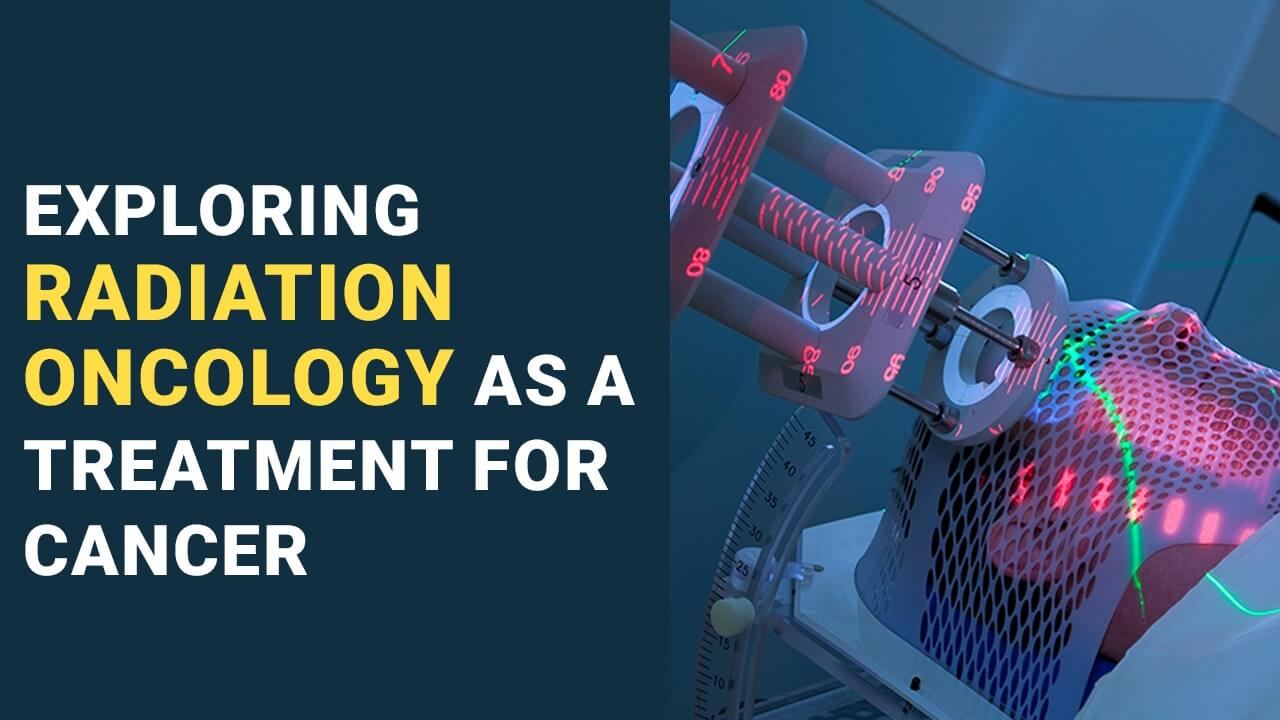
What is Radiation Oncology?
Radiation oncology is a complex yet promising treatment for cancer that has been used in healthcare for many years. This form of treatment relies on the use of radiation therapy to treat cancer, and there have been many improvements made in the technology and the types of radiation used over time. In this article, we’ll explore what radiation oncology is, the types of radiation used, when it’s used, what cancers it can be used to treat, and the risks and potential benefits of radiation oncology. We’ll also cover with a qualified and experienced advices.
What types of radiation are used?
Radiation oncology is the use of various types of radiation to treat cancer and other illnesses. Types of radiation used in radiation oncology include photon radiation, electron radiation, proton radiation, and brachytherapy. In photon radiation, x-rays or gamma rays are used to penetrate the body and target cancer cells. Electron radiation uses electrons to target cancer cells and is usually used to treat skin cancers. Proton radiation uses protons to penetrate the body and destroy cancer cells. Brachytherapy involves placing radioactive material in or near a tumor, delivering radiation directly to the affected area. A Radiation Oncologist in Delhi will be able to discuss with a patient the most appropriate type of radiation for their condition.
When is Radiation Oncology Used?
Radiation oncology is sometimes used to treat cancer, but the type of cancer, location of the cancer, and the patient’s overall health condition will be some of the factors determining whether this type of treatment is suitable. This section will explore what cancers are treated with radiation oncology and Patients for radiation oncology.
What cancers are treated with radiation oncology?
Radiation oncology is used to treat many types of cancer, including lung, breast, prostate, head and neck, and gastrointestinal cancers. It is a useful tool for both treating cancer and preventing recurrence. Radiation oncology is also used to treat Hodgkin’s and Non-Hodgkin’s Lymphomas, and can be combined with other treatments for more advanced cases. Doctors specialized in this field are called Radiation Oncologists, and can be found in Delhi and other cities across India.
Who is the Patient for radiation oncology?
Radiation oncology may be recommended as a treatment option for people who have been diagnosed with cancer. Radiation oncology is typically recommended by a medical oncologist or radiation oncologist in Delhi, in consultation with the patient and their care team. An individual may be a Patient for radiation oncology if they have a localized tumor that can be treated with radiation or if they have a localized tumor that requires additional therapy. In some instances, radiation oncology may also be recommended as part of a combination therapy program or as a follow up to other cancer treatments. Factors such as the size and location of the tumor, the patient’s age, and the type of cancer will all play a role in deciding whether radiation oncology is the best course of treatment.
Risks of Radiation Oncology
Radiation Oncology is a necessary and highly effective treatment option for many types of cancer. However, it is important to understand the potential risks before making any decisions. Like any medical procedure, radiation oncology carries some risks, even with the most qualified and experienced doctors.
One of the most common risks associated with radiation oncology is skin irritation. When radiation is used, it penetrates the skin and causes redness, itching, or minor blisters. This discomfort may last for several weeks or months after treatment. If you experience any skin irritation, it is important to contact your doctor immediately.
Radiation therapy may also cause fatigue or feelings of tiredness in some patients. This can vary in intensity, but is most common during or immediately following a round of radiation therapy. You may need to adjust your daily routine, allowing for more rest and relaxation, to manage this fatigue.
Radiation therapy can also have long-term health effects, such as an increased chance of developing cancers in the future. The incidence of any particular type of cancer may depend on the area being exposed to radiation and the duration of exposure. For this reason, it is important to discuss radiation therapy with your Doctor in detail.
Radiation therapy is an important and proven tool for treating many types of cancer. As with any medical procedure, it is important to understand the potential risks involved before making any decisions. Your Doctor can answer any questions or concerns you may have.
Potential Benefits of Radiation Oncology
Radiation oncology is a form of cancer treatment commonly used to treat a range of cancer types. This form of cancer treatment is typically offered in combination with other treatments, such as chemotherapy or surgery. In this section, we will explore the potential benefits of radiation oncology as a treatment for cancer.
Firstly, radiation oncology has the potential to be very accurate and precise, allowing radiation oncologists to specifically target and treat cancer-affected areas while avoiding healthy cells and tissues. By targeting only the diseased areas, radiation oncology can minimize the potential side effects that come along with other forms of cancer treatments.
Radiation oncology also offers an improved quality of life for patients. While other treatments such as chemotherapy may cause severe side effects, radiation oncology has been known to be well-tolerated, delivering effective results with minimal side effects. For these reasons, radiation oncology is a preferred treatment for many cancer patients.
In addition, radiation oncology is becoming increasingly accessible. With the help of advancements in medical technology, radiation oncology is becoming more available to patients, even in remote areas. It is now possible to find radiation oncologists in Delhi and other major cities, allowing many patients to access this form of treatment without having to travel long distances.
Finally, radiation oncology can be cost-effective. Radiation therapy is generally used for the treatment of cancers that have not spread throughout the body, which can reduce the cost of treatment. Additionally, radiation oncology does not require patients to stay in the hospital, and the cost of radiation therapy is often much less expensive than the cost of other forms of cancer treatment.
Overall, radiation oncology can provide many potential benefits to cancer patients. By offering precise and accurate treatment with minimal side effects, improved quality of life, increased accessibility, and cost-effectiveness, radiation oncology is becoming an increasingly popular andeffective form of cancer treatment.
Conclusion
Radiation oncology as a treatment for cancer is becoming increasingly important in the battle against the disease. With advances in technology and treatments, radiation oncology can be used safely and effectively in combination with other treatments. The advancements in radiation oncology have allowed radiation oncologists in Delhi to provide more precise and targeted treatments, leading to better outcomes for patients.
Those considering radiation oncology as a treatment option for cancer, they can rest assured knowing that they will be in the care of highly trained doctors who are dedicated to providing the best care possible. The technology and treatments used are continuously improving, providing more effective and safer treatments for cancer patients. Dr. Manoj Kumar Sharma is ready and willing to provide the best possible treatments for patients so that they can get the best care and outcomes.