
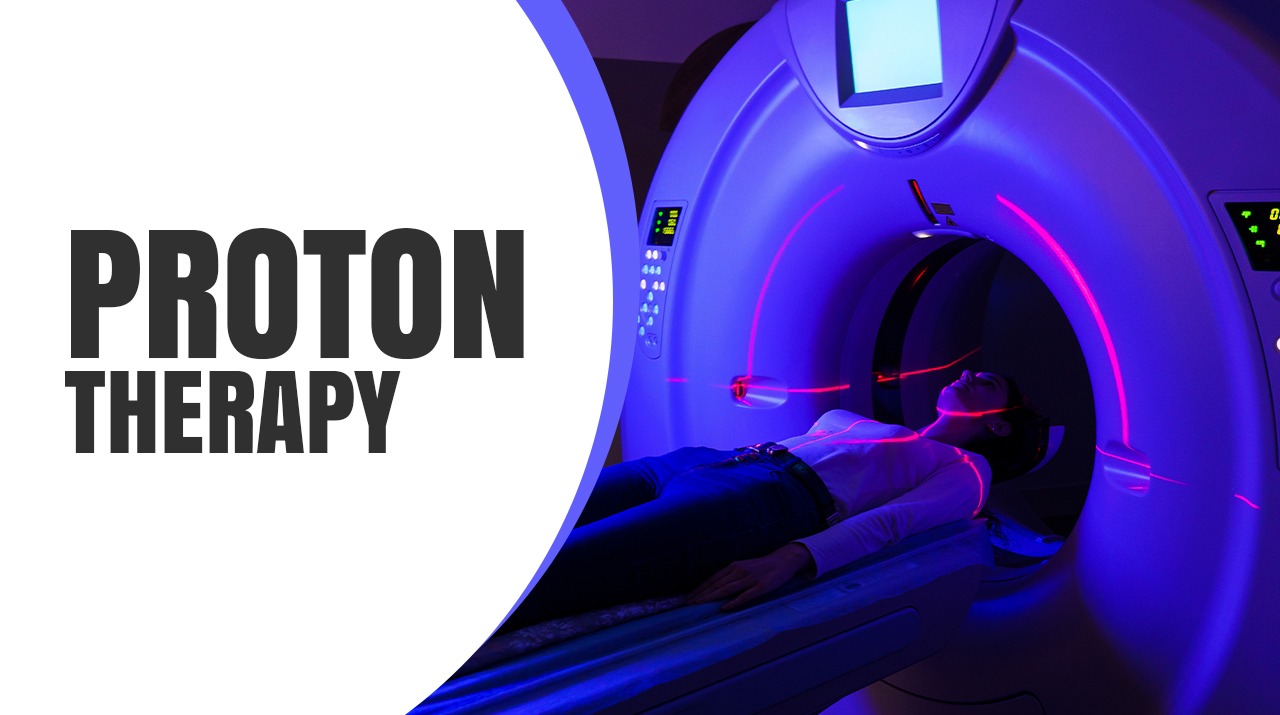
In the ever-evolving landscape of cancer treatment, proton therapy is emerging as one of the most promising and precise weapons in our medical arsenal. Also known as proton beam therapy, this advanced form of radiation therapy leverages the power of high-energy protons to target and destroy cancer cells—with minimal damage to surrounding healthy tissues.
As awareness grows and access expands, proton therapy is widely being hailed as “a new dawn” in oncology. Let’s explore why.
What Is Proton Therapy?
Proton therapy is a type of radiation treatment that uses protons—positively charged particles—instead of conventional X-rays (photons) to kill cancer cells. It offers the precision and control of modern radiation therapy, with significantly lower risks of side effects.
This method can be used:
- On its own
- In combination with surgery, chemotherapy, or immunotherapy
- As a curative or palliative option
How Does Proton Therapy Work?
The process begins with the use of a specialized machine—either a cyclotron or a synchrotron—which accelerates protons to very high energy levels. Once the protons are energized, they are carefully guided toward the tumor.
When the high-speed protons reach their target, they deposit their energy directly into the tumor, effectively destroying the cancer cells.
What makes proton therapy unique is the Bragg Peak phenomenon. Unlike X-rays, which release radiation throughout their path—including beyond the tumor—protons stop precisely at the tumor site, minimizing damage to surrounding healthy tissue.
The Proton vs. Photon Debate
Let’s break down the difference:
| Aspect | Proton Therapy | Photon (X-ray) Therapy |
| Particle Type | Protons (positive charge) | Photons (X-rays) |
| Radiation Path | Delivers dose at the tumor site and stops | Delivers dose before and after tumor (exit dose) |
| Tissue Damage | Minimal to surrounding tissues | Higher risk of damage to healthy tissues |
| Side Effects | Fewer and less severe | Often more pronounced |
The exit dose in photon-based therapy can affect nearby organs and lead to long-term side effects, especially when treating tumors close to critical areas like the brain, heart, or spinal cord. Proton therapy eliminates that exit dose, making it especially valuable in treating pediatric cancers or cancers in sensitive locations.
Advantages of Proton Therapy
✅ Pinpoint Precision: High accuracy reduces radiation exposure to healthy tissues
✅ Fewer Side Effects: Less radiation means fewer complications
✅ Ideal for Sensitive Areas: Critical for treating tumors near vital organs
✅ Better Quality of Life: Patients often experience quicker recovery and fewer disruptions
Who Can Benefit from Proton Therapy?
Proton therapy is particularly useful for:
- Brain tumors
- Pediatric cancers
- Prostate cancer
- Lung cancer
- Head and neck cancers
- Spinal tumors
- Recurrent cancers where prior radiation limits options
Each patient’s eligibility depends on various factors, including the tumor type, location, and overall health.
A Painless Process
It’s important to note that proton therapy is non-invasive and painless. The radiation is delivered from outside the body, and each session typically lasts only a few minutes. There’s no need for incisions or overnight stays—patients can usually resume daily activities soon after treatment.
The Future of Proton Therapy
While proton therapy is still not as widely available as conventional radiation, its global adoption is accelerating. As more centers are equipped with the technology and trained cancer specialists doctor, it’s expected to become more accessible and affordable.
Research and clinical trials continue to validate its benefits, especially in reducing secondary cancers caused by radiation and improving long-term survival outcomes in complex cases.
Conclusion: A New Dawn of Hope
Proton therapy marks a transformative shift in cancer care. Its ability to precisely target tumors while sparing healthy tissues opens up new avenues of treatment—especially for patients who have limited options with traditional methods.
As technology and awareness advance, proton therapy is poised to bring light and healing to thousands of lives battling cancer.
It’s not just treatment—it’s targeted hope.