
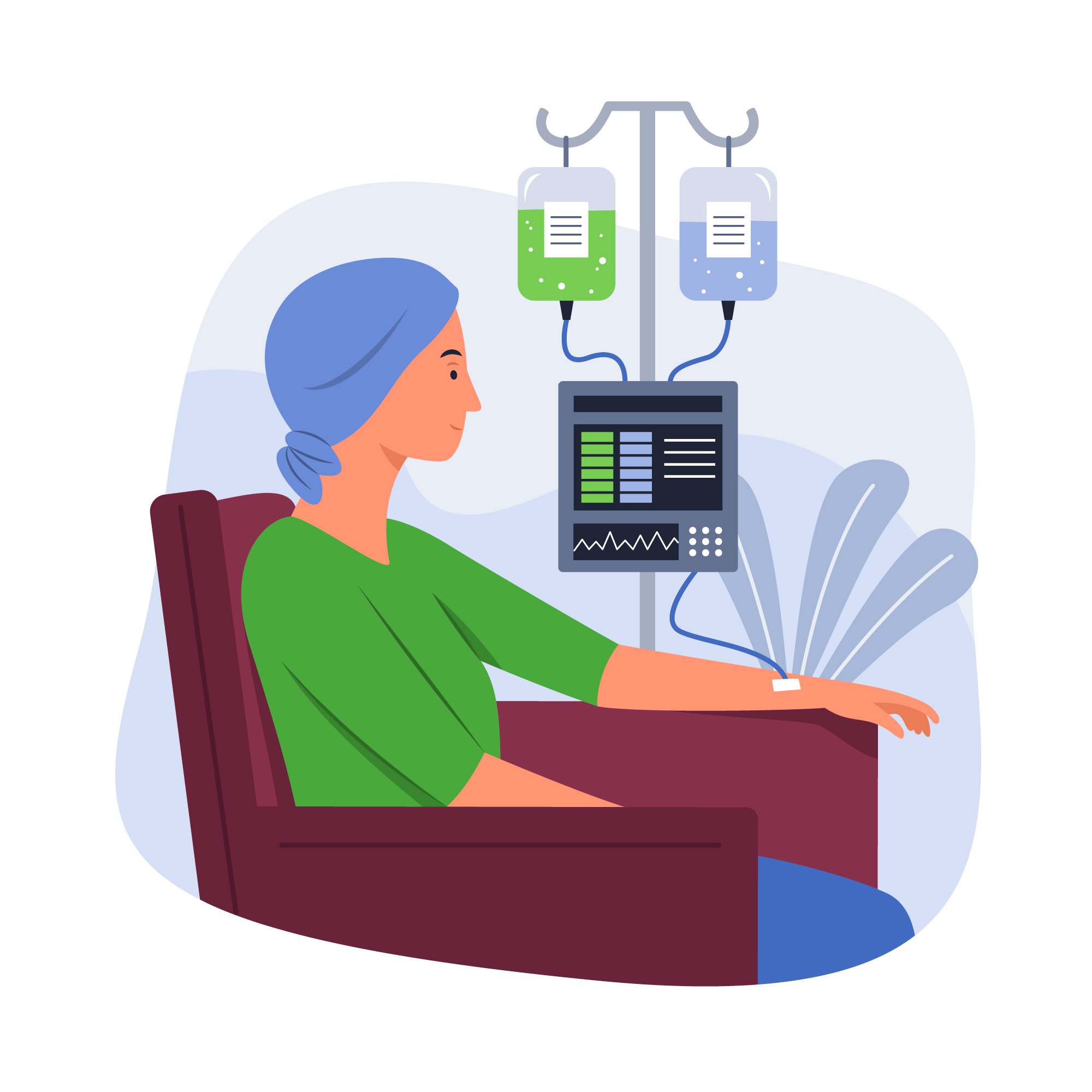
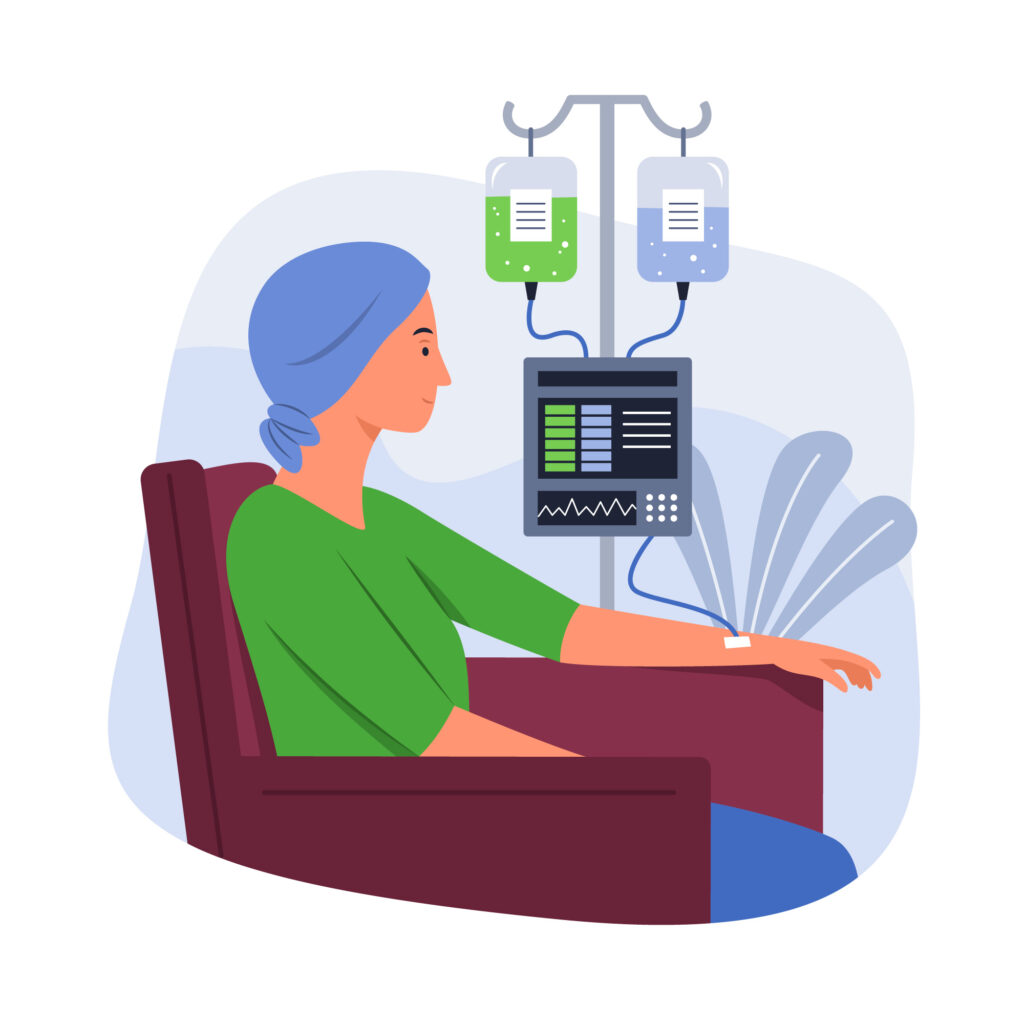
When a loved one is diagnosed with cancer, it can be an overwhelming and emotionally taxing experience for both the patient and their family. In such challenging times, the role of caregivers becomes pivotal. They are the unsung heroes who provide not only physical care but also emotional support, advocacy, and a comforting presence. To shed light on this crucial aspect of cancer care, we turn to Dr. Manoj Kumar Sharma, one of the finest oncologists in the Delhi NCR region. With his years of experience, multidisciplinary approach, and dedication to staying at the forefront of cancer treatment, Dr. Sharma offers valuable insights and advice on how family members can support cancer patients effectively. Through relatable examples, we aim to help you connect with the importance of caregiving.
Understanding the Multifaceted Role of Caregivers:
Caregivers, often family members, play a multifaceted role in a cancer patient’s journey. Their responsibilities encompass a wide spectrum, from practical tasks to emotional support. Let’s delve into these aspects with real-life examples to make them relatable.
1. Be Informed: Knowledge Is Empowerment
Example: Meet Priya, a daughter taking care of her mother, who was recently diagnosed with breast cancer. Priya tried to understand her mother’s diagnosis. She attended medical appointments, took diligent notes, and researched treatment options. By doing so, she not only empowered herself but also helped her mother make informed decisions about her treatment.
Dr. Sharma’s Advice: “Being informed about the diagnosis and treatment plan is crucial. It allows you to ask the right questions and actively participate in your loved one’s care.”
2. Open Communication: The Power of Listening
Example: Consider Raj, a husband caring for his wife, who is battling colon cancer. Raj noticed that his wife, Meera, sometimes withdrew and was reticent about discussing her fears. He decided to sit down with her, offering a listening ear without judgment. This gesture encouraged Meera to express her feelings, making her feel less alone in her journey.
Dr. Sharma’s Advice: “Open and empathetic communication is the cornerstone of caregiving. Listening and acknowledging your loved one’s emotions can provide immense comfort.”
3. Accompany to Medical Appointments: The Value of Presence
Example: Meet Sameer, a son dedicated to caring for his father, diagnosed with lung cancer. Sameer accompanies his father to every medical appointment. He observes the detailed discussions between his father and the oncologist, ensuring that all questions are answered and that they fully understand the treatment plan.
Dr. Sharma’s Advice: “Being there during medical appointments not only provides emotional support but also ensures that nothing is missed in the treatment discussions.”
4. Provide Practical Assistance: Easing the Burden
Example: Imagine Rina, a sister looking after her sibling, who is undergoing chemotherapy for leukemia. Rina helps with daily tasks such as cooking, cleaning, and transportation to and from the hospital. Her practical assistance eases the patient’s burden and reduces stress.
Dr. Sharma’s Advice: “Assisting with daily tasks can make a significant difference. It allows the patient to focus on their recovery.”
5. Emotional Support: A Pillar of Strength
Example: Think of Aarav, a friend supporting his childhood buddy, who is facing prostate cancer. Aarav frequently checks in, offering words of encouragement and sharing moments of positivity. His unwavering emotional support lifts his friend’s spirits during the challenging treatment journey.
Dr. Sharma’s Advice: “Emotional support can be as healing as medical treatment. Providing encouragement and being a source of positivity is invaluable.”
Dr. Sharma’s Insights on Handling Challenges:
Caring for a cancer patient can be emotionally and physically demanding. Dr. Sharma guides navigating these challenges with relatable examples so that people can understand the importance of their care and choose the best route to navigate these high tides.
1. Self-Care: You Matter Too
Example: Meet Neeta, a wife caring for her husband, who is undergoing radiation therapy for brain cancer. Neeta realized that she was neglecting her well-being, which affected her ability to provide care effectively. She started taking short breaks, joining a caregiver support group, and practicing mindfulness to manage stress.
Dr. Sharma’s Advice: “Caregivers must prioritize self-care. Taking care of yourself enables you to provide better care to your loved one.”
2. Seek Professional Help: It’s Okay to Ask for Support
Example: Consider Arjun, a brother supporting his sister through breast cancer treatment. Arjun started experiencing signs of burnout, feeling overwhelmed by the responsibilities. He decided to seek guidance from a therapist who specialized in caregiver support. This helped him manage his stress and provide better care to his sister.
Dr. Sharma’s Advice: “If caregiving becomes overwhelming, don’t hesitate to seek assistance from mental health professionals. Your mental and emotional health matters too.”
3. Maintain a Routine: Stability Amidst Chaos
Example: Think of Tina, a daughter caring for her elderly mother, who is battling pancreatic cancer. Tina found that establishing a daily routine provided structure and stability for both her mother and herself. It included regular meal times, exercise, and relaxation periods.
Dr. Sharma’s Advice: “A daily routine can provide a sense of normalcy during challenging times. It benefits both the caregivers and the patient.”
The Role of Dr. Manoj Kumar Sharma in Comprehensive Cancer Care:
Dr. Manoj Kumar Sharma’s extensive expertise in oncology, including his fellowship in Proton Therapy from New Jersey, highlights his commitment to staying at the forefront of cancer treatment. His multidisciplinary approach, involvement in tumor boards, and extensive research in Radiation Oncology make him a reliable source of guidance for patients and their caregivers.
Conclusion
Caring for a loved one with cancer is a challenging yet profoundly rewarding journey. Dr. Manoj Kumar Sharma reminds us that caregivers are essential partners in the fight against cancer. By being informed, offering unwavering support, and taking care of themselves, caregivers can make a significant difference in a patient’s battle with cancer. Dr. Sharma’s expertise and dedication to comprehensive cancer care serve as a beacon of hope for families facing this challenging journey in the Delhi NCR region. Together, with the guidance of compassionate oncologists like Dr. Sharma, we can provide the best care for our loved ones and help them overcome the challenges of cancer. In doing so, we become not just caregivers but also beacons of strength, love, and hope for those we cherish.
Leave a Reply